%20.png)
What to Feed a Child With Eczema: A Complete, Gut-Healthy Nutrition Guide (Infants to Teens)
By Diane Angela Fong. ND & Tori Taggart, MS, CNS, LDN

Eczema is more than a skin condition - it is often a reflection of what’s happening inside the body. Eczema is much like when the check engine light on your car illuminates on your dashboard, it signals that something under the hood is going on! Gut health, inflammation, nutrient status, food triggers, and environmental exposures all play a role. And while no single diet “cures” eczema, the foods we choose from infancy through childhood can dramatically support the immune system, strengthen the gut, and reduce inflammatory flares.
The goal with dietary changes is not perfection; it’s creating a nourishing environment where your child’s skin and body can thrive and find balance.
Phase 1: Breastfeeding: A Strong Foundation for Eczema-Prone Babies

Breast milk is naturally rich in antibodies, prebiotics, healthy fats, and immune-supporting compounds that help strengthen the gut barrier which is an essential factor in eczema prevention. For many babies, it acts as their first layer of protection. This is especially true if your child was a c-section birth as this can put babies at risk for a less robust microbiome and immune system because of the lack of maternal bacterial exposure during delivery.
For breastfeeding babies, the maternal diet can make a noticeable difference. While every baby is unique, many parents observe improvements with their baby’s skin when they focus on:
reducing processed foods and refined sugars
eating a variety of colorful fruits and vegetables
incorporating omega-3 fats (salmon, sardines, chia, flax, walnuts)
emphasizing high-quality proteins
choosing whole, unprocessed foods most of the time
If eczema is persistent or severe, some mothers find benefit in temporarily removing gluten and dairy as a starting place to figure out inflammatory triggers, then slowly reintroducing foods in time to help identify whether they contribute to flare-ups. These changes don’t need to be forever; they are tools to help baby’s gut and skin calm down. Eggs and nightshades (tomato, peppers, potato, eggplant) can also be common triggers for babies with eczema and removing these from breastfeeding mom’s diet can make a difference.
When Formula Is Needed: What to Look For
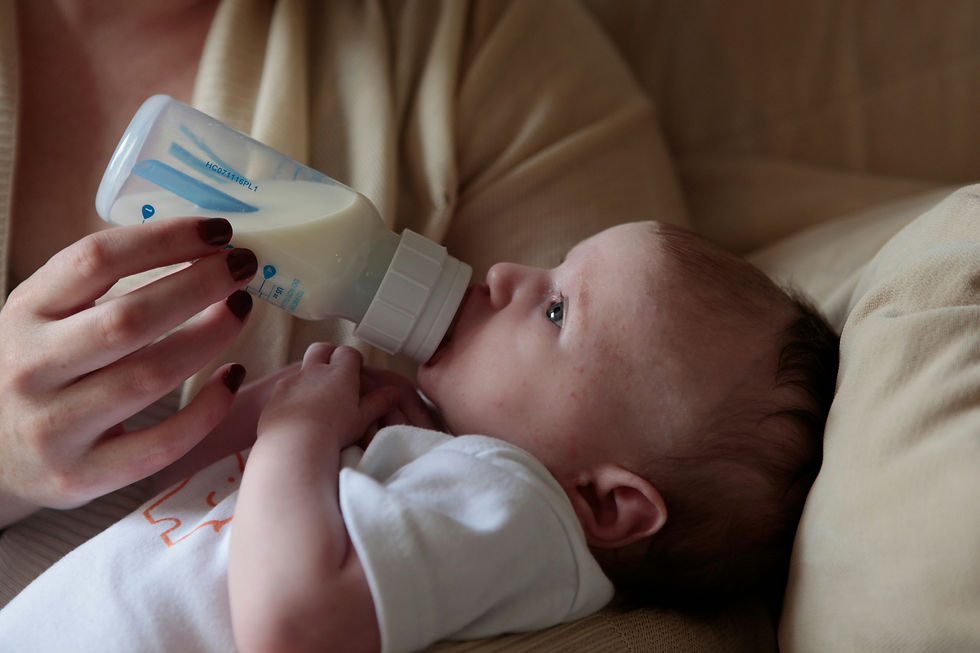
Many families use formula either exclusively or as a supplement and a well-chosen formula can be incredibly supportive for an eczema-prone baby.
Conventional formula is loaded with less than ideal ingredients so choosing the right formula is extremely important.
A few things to look for when deciding:
organic
free of unnecessary additives (corn syrup, artificial ingredients)
free of palm oil or soy oils when possible
rich in clean, whole-food–based ingredients
consider goat’s milk or non-dairy alternatives depending on tolerance (Experimenting with dairy/non dairy options).
Goat milk formulas or non-dairy formulas can be helpful when dairy seems to worsen symptoms. For some babies, the issue isn’t dairy itself but the processing methods or added ingredients, which is why organic, clean, and simple formulas often work best. You can find a few brands that we recommend on our products page found here.
Phase 2: Introducing Solids for Eczema-Prone Babies: A Gut-First, Inflammation-Lowering Approach
When it’s time to begin solid foods, babies with eczema often benefit from a slightly slower, more intentional approach. Instead of jumping straight into a wide variety of foods or early allergens, the focus shifts first to gut support, skin healing, and inflammation reduction. This creates the foundation they need to tolerate foods- especially common allergens.
Before Introducing Many Foods: Support the Gut and Calm the Skin

The weeks leading up to solids can be a powerful “reset period,” especially for babies with moderate or persistent eczema. Think of it as preparing the soil before planting seeds. During this time, if breastfeeding, focus on maternal diet as listed above.
In addition, you can focus on:
Nutrient-Dense, Gut-Supportive Nutrition

Continue breast milk or a clean, hypoallergenic formula as the main source of nutrition.
Add small amounts of meat stock (NOT bone broth) (made from organic, grass fed meat) to purees once solids begin- this is rich in gelatin, glycine, and minerals that help seal and soothe the gut lining.
Consider gentle probiotics such as B. infantis or L. reuteri, which help rebalance the microbiome.
Avoid very early allergen introduction (details found below).
Introducing Solids: A Gentle, Gut-Friendly Start

Once your baby seems more stable: better sleep, calmer skin, improved poops, it’s time to begin solids with simple, nourishing, single-ingredient foods.
Start with whole, nutrient-dense, gentle foods that support the gut and reduce inflammation:
Meat stock (sipped or mixed into purees)
Avocado
Squash
Zucchini
Carrots
Sweet potato
Pear or cooked apple
Lamb, turkey, or chicken purees
Healthy fats are very important for eczema-prone babies. Fats like ghee, olive oil, avocado oil, and small amounts of coconut help build the skin barrier from the inside out and support stable blood sugar.
After your baby tolerates these basics, slowly expand into a variety of proteins, fruits, and vegetables across the color spectrum. The more colors you eventually include, the more antioxidants, minerals, and phytonutrients your child receives, all of which help reduce inflammation and increase microbiome diversity to support overall gut health.
When and How to Introduce Allergens to Eczema-Prone Babies

Allergen introduction remains important, but timing and readiness matter far more in eczema-prone infants. Once the skin has improved and the gut appears more stable, and some basic foods have been successfully introduced (often between 8–15 months) you can begin a staged introduction of higher allergens such as egg yolk and then egg white later on, cultured organic dairy, fish, tree nuts, wheat and gluten, soy and sesame. These should be added strategically and intentionally, watching for flare ups or any side effects. It is best to work with a practitioner when introducing allergens to a baby with eczema.
If at any point a flare occurs, simply pause, return to gut-supportive basics, and reintroduce weeks later. This slow, calm method helps reduce both reactions and stress for mom and dad. If a severe reaction occurs, please contact a medical professional for guidance and do not attempt that same allergen without assistance.
When introducing solids to an eczema-prone baby, the goal is not restriction, it’s strategic nourishment.
You’re helping the gut mature, calming the immune system, and creating an environment where foods are better tolerated over time.
First, stabilize. Then, introduce. Then, expand.This slow, steady, gut-first method supports clearer skin, better digestion, and a calmer, happier baby.
Eczema and Common Food Triggers

Not every child with eczema has food allergies but many have food sensitivities at the very least. We know that eczema can be a sign of underlying gut imbalance or immune activation.
The most common dietary triggers include:
dairy
gluten
soy
eggs
peanuts and tree nuts
citrus
added sugars
For some kids, removing gluten and dairy for several weeks can lead to remarkable improvements. For others, the goal is not permanent elimination but temporary and therapeutic reduction while you work on gut health through whole foods, healthy fats, and nutrient-rich meals.
Sugar is an especially common flare-trigger. It feeds inflammatory pathways, disrupts the microbiome, and often worsens itching. Keeping sugar very low, especially refined sugar, is one of the simplest and most impactful changes a family can make.
Phase 3: Toddlerhood Through Childhood: Building Nourishing, Anti-Inflammatory Plates

As your child grows, the goal isn’t a restrictive diet. It’s a supportive, balanced lifestyle that protects the gut and calms inflammation. Focus on day to day meals including:
Healthy proteins: chicken, turkey, grass-fed beef, lentils, beans, eggs (if tolerated), wild-caught fish
Healthy fats: avocado, nuts/seeds (for older kids), olive oil, coconut, grass-fed butter or ghee
Complex carbohydrates: sweet potatoes, rice, oats (gluten-free), whole grains, squash
Plenty of colorful fruits and vegetables: aim for at least two colors per meal
Teaching children to enjoy bright, flavorful, rainbow colored foods is one of the most powerful ways to support long-term skin health.
If eczema continues, you can gently guide choices without creating food fear. A child doesn’t need to be perfect on their food choices, they simply need a balance where whole foods outweigh processed ones, and where their plates offers fiber, color, and diverse nutrients that their skin needs to heal.
The Division of Responsibility

Parents decide: WHAT, WHEN, and WHERE food is served. Prepare balanced meals, set regular meal/snack times, avoid grazing, and model positive mealtime behavior.
Children decide: HOW MUCH and WHETHER they eat. Avoid pressure tactics like “clean your plate” or bribing with dessert—they undermine hunger cues. Keep food neutral, avoid power struggles, and trust repeated exposure builds acceptance of new foods.
Introducing New Foods
Encourage adventurous eating by:
Pairing new foods with familiar favorites
Offering repeated exposure (10–15 tries may be needed)
Keeping mealtimes calm
Using dips, sauces, and colorful presentations
Involving kids in prep and plating
Serving the same foods to adults and toddlers
The Role of Additives, Dyes, and Processed Foods
Many parents are surprised to learn how strongly food additives can influence eczema. Artificial dyes, preservatives, emulsifiers, seed oils, and ultra-processed snacks can irritate the gut lining and immune system.

Common culprits include:
food dyes (Red 40, Yellow 5/6, Blue 1/2)
artificial flavors
preservatives such as BHT/BHA
highly processed seed oils
packaged snacks with long ingredient lists
Children with eczema typically do best with simple, whole, recognizable ingredients, both at home and when reading labels at the store. Whenever possible, choose foods from the perimeter of the grocery store. Get creative in the kitchen and get your children involved in preparing healthy meals and snack. Real, whole food > processed foods.
Choosing Better Snacks

Pick snacks that are:
Free of added sugar and artificial dyes
Made of simple, pronounceable ingredients
Balanced in protein + carbs, minimal seed oils
Organic/Non-GMO when relevant
Make fruits and veggies easy to grab.
Don’t rely on marketing claims like “natural” or “gluten-free.”
Picky Eating: What’s Normal?
Pickiness is common throughout toddler and childhood, often due to sensory sensitivities, independence, temperament, or busyness, not misbehavior.
Strategies to combat it:
Offer new foods gently and repeatedly
Keep mealtimes short
Encourage curiosity (touch, smell, small tastes)
Model desired behaviors
Avoid pressure or bribes
*Persistent/extreme pickiness may need professional assessment.

Smart Lunch Packing
Include: protein, healthy fat, complex carbs, vegetables, and optional fruit.
Keep lunches simple, fun, and kid-involved.
Use dips and colors to boost appeal.
Navigating Social Situations
Support your child by:
Bringing a dish to share or a backup meal/snack
Offering food before outings
Bringing sauces/seasonings
Making special requests
Planning events when convenient
Knowing where flexibility is acceptable
Phase 4: Supporting Teens With Eczema

Adolescence brings big appetites, increased independence, and unfortunately because of that independence, more access to ultra-processed snacks. Teens with eczema benefit from strong routines such as regular meals, protein at each meal, plenty of produce, healthy fats, and a focus on hydration. Limiting processed foods as much as possible is very important and helping your teen understand the connection to their skin health. Empower your teens to make better alternative choices when out and about with their friends and peers. Learning to choose the best option, reduce sugars, bring snacks with them when they can, or having acces to healthy options at home, are all ways to help teens navigate nutrition with eczema.
Family meals remain important; even one shared meal a day can stabilize routines, support nutrient intake, and reduce stress all factors that influence eczema.
Encouraging teens to pay attention to how foods make them feel (rather than how they look) helps build lifelong, healthy self-awareness.
Why Diet Matters So Much for Kids with Eczema
Food isn’t just fuel — it directly shapes the gut, and the gut directly shapes the skin. For kids (and adults) with eczema, this connection is especially important. When the gut becomes imbalanced — through leaky gut, dysbiosis, yeast overgrowth, or inflammation — it can activate the immune system and increase skin reactivity.
This is why some children flare after certain foods, why sugar can worsen itching, and why nutrient-dense, whole foods can help calm the skin. Supporting the gut with the right foods helps strengthen the skin barrier, regulate immunity, and reduce inflammation at its root.
And this matters now more than ever as we head into the holiday season — a time when routines shift, treats increase, and many children experience more flares. That’s why next week we’re taking a deep dive into gut imbalances and eczema — what they are, how to recognize them, and how healing the gut can transform your child’s skin from the inside out.
If you’re ready to go beyond diet changes and uncover the root gut issues that may be driving inflammation, make sure to check out our Holiday Eczema Healing Bundle — designed to give you clarity, answers, and a personalized path forward.
🎁 Holiday Eczema Healing Bundle — $497
Includes:✨ GI-MAP Gut Test✨ 40-minute Eczema Evaluation Visit✨ 1 Month of Eczema Essentials Support (Total value $667 - Save $170)
Whether you’re a parent, someone living with eczema, or looking for a meaningful gift for a loved one — this bundle provides clarity, answers, and a personalized path toward healing.
We're Going Live!
We are going live to discuss this topic on Thursday, December 11 at 12:45 pm PST! Watch the live or check out the replay here:
About the Authors:

Tori Taggart, MS, CNS, LDN is a Cleanbody Practitioner specializing in meeting people in their health journeys by digging into the root causes of various chronic diseases and conditions. Through the use of healthy food along with aspects of the natural world around us (sunshine, nature, clean water, stress management, relationships, etc), she helps to empower her clients to take charge of their own health and trust their bodies to thrive and heal.

Dr. Diane Angela Fong, ND, is the CEO and founder of Cleanbody, a wellness company dedicated to treating and preventing chronic disease. She is the creator of the Cleanbody Method, which follows a three-step process: Evaluate (digging into the root causes of chronic disease using lab testing and other evaluation tools), Optimize (enhancing health foundations by addressing nutrition, lifestyle, and toxic exposures), and Support (optimizing organ functions through healing protocols).
References
Lodge CJ, et al. Breastfeeding and risk of eczema and allergic disease: a systematic review. J Allergy Clin Immunol. 2015.
Bäckhed F, et al. Gut microbiome development in infancy and immune implications. Cell Host & Microbe. 2015.
Venter C, et al. Maternal diet, infant nutrition, and eczema risk. Curr Opin Allergy Clin Immunol. 2020.
Osborn DA & Sinn JKH. Hydrolyzed formulas for allergy prevention: a review. Cochrane Database Syst Rev. 2006.
Kalliomäki M, et al. Probiotics in the prevention of atopic disease. The Lancet. 2001.
Du Toit G, et al. (LEAP Study). Early peanut introduction reduces allergy risk. N Engl J Med. 2015.
Natsume O, et al. Early egg introduction and allergy prevention. Lancet. 2017.
Greer FR, et al. AAP guidelines on allergen introduction. Pediatrics. 2019.
Bath-Hextall F, et al. Diet elimination and eczema outcomes. Cochrane Database Syst Rev. 2008.
Kim J, et al. Diet, inflammation, and atopic dermatitis. Ann Dermatol. 2020.
Schwartz C, et al. Repeated exposure and acceptance of new foods in children. Appetite. 2018.
Ellyn Satter Institute. Division of Responsibility in feeding.
Medical Disclaimer: The information provided in this blog post is for educational and informational purposes only. It is not intended to be a substitute for professional medical advice, diagnosis, or treatment. Always seek the advice of your physician or other qualified healthcare provider with any questions you may have regarding a medical condition or treatment and before undertaking a new health care regimen. Never disregard professional medical advice or delay in seeking it because of something you have read on this website.





Comments